Water Damage Restoration in Denton, TX
Water damage in Denton depends a lot on what kind of building it happens in. In an apartment near the universities, it can soak through to the unit below. In a bungalow west of the Square, it drains into the crawl space and stays there. In a newer home on a slab, it may only show up as a warm spot on the floor. 911 Restoration of North Texas finds where the water went, removes it and dries the structure properly, 24 hours a day.
Estimates are free. Our technicians are IICRC-trained, we're licensed and insured, and we bill your insurance company directly.
Common Causes in Denton
- Unit-to-unit leaks. Most households in central Denton rent, many in apartment buildings. A failed supply line, an overflowing tub or a leaking water heater upstairs travels through ceilings and walls into neighboring units.
- Aging plumbing in 1970s and 1980s homes. Many homes in south and east Denton still have original fixtures and lines. Some homes from the late 1970s to the mid-1990s were plumbed with gray polybutylene pipe, which is known for failing at the fittings.
- Moisture under pier-and-beam floors. The historic homes along West Oak and West Hickory sit on raised foundations. A slow leak underneath can go unnoticed until the floor softens or a musty smell appears.
- Slab leaks. Expansive North Texas clay shifts with wet and dry seasons, stressing plumbing that runs under slab foundations in newer homes north and south of town.
- Flash flooding and storms. Heavy rain in Denton can overwhelm streets and low-lying areas within an hour.
Warning Signs to Watch For
In an apartment or duplex:
- A stain spreading across the ceiling below an upstairs bathroom or kitchen
- Water around the base of a toilet or under the kitchen sink cabinet
- Damp carpet along a wall you share with the next unit
- A water heater closet with a wet floor or a rusty tank base
In a house:
- A floor that dips or feels spongy, especially in older raised-foundation homes
- Hairline cracks in tile, or a spot on the floor that stays warm
- Drywall that feels soft when pressed, or paint that bubbles low on a wall
- The sound of running water when every tap is off
Not All Water Is the Same
Restoration companies sort water damage into three categories, and the category changes what has to be done:
- Clean water — from a broken supply line or a leaking water heater. Most materials can be dried in place if we start quickly.
- Gray water — from a dishwasher, washing machine or a toilet overflow without waste. It carries contaminants, so surfaces have to be cleaned and treated as well as dried.
- Black water — sewage, or flood water that came in from outside. Carpet, pad, drywall and insulation that it reaches usually have to be removed. See our sewage cleanup page.
Clean water doesn't stay clean. Left for a day or two in a warm building, it picks up contamination from what it soaks into, and the job moves up a category.
Before We Get There
- Turn off the water at the fixture or at the main shut-off. In an apartment, ask the manager or maintenance line where the unit's shut-off is — it's often in the water heater closet.
- If the breaker panel is safe to reach, turn off power to the wet rooms.
- In an apartment, tell your neighbors below and the manager right away, so they can check their own unit.
- Move electronics, papers and anything valuable off the floor, and put foil or plastic under furniture legs.
- Take photos before you clean anything up.
How We Restore Water Damage
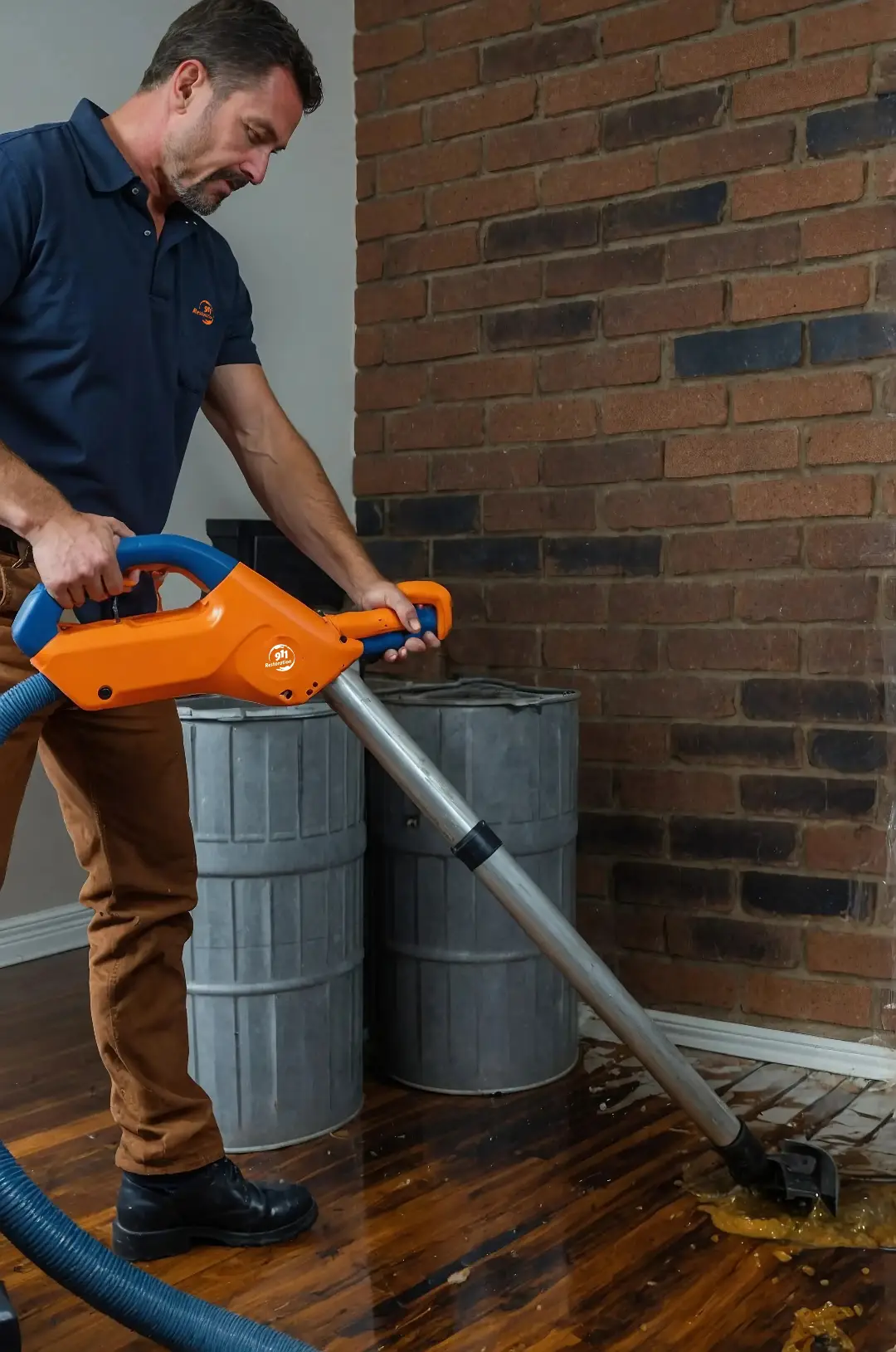
- Emergency water extraction — standing water removed with truck-mounted and portable equipment
- Leak detection and moisture mapping — moisture meters and thermal imaging to trace water inside walls, under floors and into neighboring units
- Structural drying — dehumidifiers and air movers, with readings taken daily until the structure is genuinely dry
- Crawl space drying — for raised-foundation homes, where water sits out of sight
- Coordination for rentals — one record of the loss that owners, managers and tenants can all use
- Repairs — drywall, flooring and finishes put back by our reconstruction team
For Landlords and Property Managers
A water loss in a rental has more moving parts: tenants who need to stay or move out, units on either side, a lease calendar, and often more than one insurance policy. We assess every affected unit, keep a separate moisture log and photo record for each, give you one schedule for the whole job, and keep tenants told when we need access. If a unit has to be turned around before a move-in date, tell us at the start so we can plan the drying and repairs to fit.
Frequently Asked Questions
How much does water damage restoration cost in Denton?
It depends on how much water there was, how long it sat, whether it was clean or contaminated, and how much material has to come out. A leak caught the same day might need a few days of drying. A leak that reached a second unit, or a slab leak under hardwood, takes more. You'll get a free written estimate before work begins, and on insurance claims we use the same estimating software adjusters use.
Who pays when a leak in my apartment damages the unit below?
That depends on where the leak started and on each person's insurance. The building owner's policy usually covers the structure, and each tenant's renters policy covers their own belongings. We document where the water came from and where it went, which is what the insurers will ask.
How fast can you get here?
Most Denton addresses are 30 to 40 minutes from our Haslet office, and we answer 24/7.
Can wet carpet be saved?
Carpet soaked by clean water can often be dried and kept if we start within a day or so, although the pad underneath usually has to be replaced. Carpet soaked by sewage or outside flood water can't be safely saved.
Will mold grow after a leak?
It can start within a few days if materials stay wet, which is why we measure moisture every day and don't stop drying until the readings are back to normal. If we do find mold, we deal with it before anything is closed up.
Water in Your Home or Unit Right Now?
Water keeps moving until it's stopped. Call 911 Restoration of North Texas at (817) 554-3849, any hour.
Water damage is one of eight restoration services we provide in Denton — see all Denton restoration services, including mold removal, sewage cleanup and storm and flood cleanup.